
Women in Chocolate — Learn the Story
At the Oregon Chocolate Festival, we celebrate the global women who have shaped cacao and chocolate across history. Explore the deeper stories behind our exhibit posters.
Women & the Sacred Roots of Chocolate
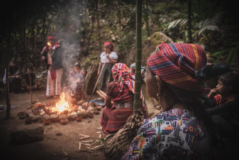
For thousands of years, cacao was cultivated, prepared, and revered in Mesoamerican societies — and women were central to this tradition. Among the Maya and Aztec, women roasted, winnowed, and ground cacao beans on stone metates, transforming them into ceremonial beverages consumed during rituals, marriages, diplomacy, and elite gatherings.
Cacao drinks were nutritionally rich and symbolically powerful. They were used in offerings to deities, burial rites, and celebrations of life transitions. Women’s expertise in cacao preparation carried cultural and spiritual meaning: skill in grinding and frothing cacao was associated with good marriage, hospitality, and social status.
Spanish chroniclers in the 16th century described women preparing cacao beverages in marketplaces and households throughout Mesoamerica. Even after colonization, Indigenous women continued cacao cultivation and preparation traditions that still exist today in Mexico, Guatemala, and Central America.
Understanding cacao’s sacred origins reveals a key truth: chocolate began not as confectionery, but as a culturally significant food shaped by women’s labor, knowledge, and ritual practice.
References & further reading:
- Coe, Sophie & Michael Coe — The True History of Chocolate
- Presilla, Maricel — The New Taste of Chocolate
- Smithsonian Magazine — “A Brief History of Chocolate”
- The Maya Archaeology Initiative — cacao in Maya culture
- World History Encyclopedia — Chocolate in Mesoamerica
Breaking Barriers: Women in Early Chocolate Commerce
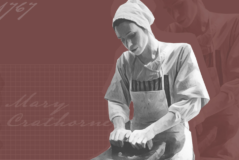
As chocolate moved from Mesoamerican drink to European luxury in the 17th–19th centuries, women played an often overlooked role in its commercialization. While large chocolate houses were typically founded by men, women sustained chocolate production through domestic manufacture, confectionery shops, and family businesses.
In Europe, widows frequently inherited chocolate and confectionery enterprises and continued operations successfully. Women confectioners also dominated small-scale chocolate preparation, producing drinking chocolate, bonbons, and pastries for urban markets. Recipe manuals and trade guides from the 18th and 19th centuries include numerous references to female confectioners and shopkeepers.
Industrialization shifted chocolate production toward factories, yet women remained a major workforce in chocolate manufacturing across Britain, France, Switzerland, and the United States. They tempered chocolate, wrapped confections, decorated sweets, and maintained retail relationships — skills essential to chocolate’s transition into mass-market food.
These early entrepreneurs and workers bridged chocolate’s evolution from artisanal craft to global industry, often without recognition or ownership.
References & further reading:
- Robertson, Emma — Chocolate, Women and Empire
- Cadbury Archive — women workers in chocolate factories
- The British Library — women in Victorian confectionery trades
- National Confectioners Association — history of chocolate
Global Changemakers in Chocolate
Across continents, women have shaped chocolate’s flavor, ethics, and cultural identity. Their influence spans agriculture, entrepreneurship, culinary innovation, and luxury branding.
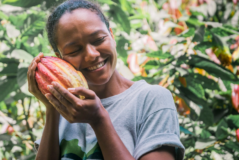
Women cacao farmers in West Africa, Latin America, and Southeast Asia perform much of the world’s cacao cultivation and post-harvest processing. In many regions, women lead fermentation and drying — steps that determine chocolate flavor quality. Increasingly, women also lead cooperatives and export programs, improving income equity and farm sustainability.
In consumer markets, women entrepreneurs have transformed chocolate retail and premium confectionery. Makers and brand founders such as Maribel Lieberman (Maribel Chocolate, USA), Elce Camacho (Cacao de Origen, Venezuela), and Ruth Wakefield (inventor of the chocolate-chip cookie) reshaped how chocolate is experienced — from luxury gifting to culinary icon.
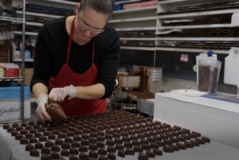
Today, women lead research, sensory science, origin preservation, and bean-to-bar manufacturing worldwide. Their work connects farm, flavor, and consumer awareness.
References & further reading:
- International Cocoa Organization — gender in cocoa sector
- UN Women — women in agricultural value chains
- Fine Cacao and Chocolate Institute — craft chocolate research
- Heirloom Cacao Preservation Fund — cacao biodiversity
Women Leading Ethical & Sustainable Cacao
Modern chocolate sustainability efforts increasingly recognize women as key agents of change in cacao-growing regions. Research shows that when women control agricultural income, families invest more in nutrition, education, and environmental stewardship.
Women’s cacao cooperatives across Ghana, Côte d’Ivoire, Peru, Ecuador, and the Dominican Republic have improved fermentation quality, traceability, and price negotiation. Female leadership in post-harvest processing programs has measurably raised cacao quality — directly influencing fine-flavor chocolate markets.
Certification programs, direct-trade sourcing, and craft chocolate makers now partner intentionally with women farmers and producer groups. These collaborations support climate-resilient agriculture, biodiversity conservation, and equitable supply chains.
Empowering women at cacao origin not only improves livelihoods — it elevates chocolate itself.
References & further reading:
- World Cocoa Foundation — women in cocoa
- Fairtrade International — gender equity in cocoa
- Oxfam — women cocoa farmers reports
- Swiss Platform for Sustainable Cocoa